
The Outer Hebrides
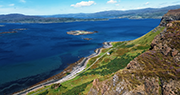
The Outer Hebrides or Western Isles is an island chain off the west coast of mainland Scotland. They form part of the archipelago of the Hebrides, separated from the Scottish mainland and from the Inner Hebrides by the waters of the Minch, the Little Minch, and the Sea of the Hebrides.
Most of the islands have a bedrock formed from ancient metamorphic rocks, and the climate is mild and oceanic. The 15 inhabited islands have a total population of 26,830 and there are more than 50 substantial uninhabited islands. The distance from Barra Head to the Butt of Lewis is roughly 130 miles.
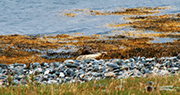
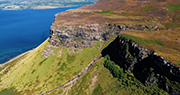
Much of the western coastline of the islands is machair, a fertile low-lying dune pastureland. Lewis is comparatively flat, and largely consists of treeless moors of blanket peat. North and South Uist and Benbecula have sandy beaches and wide cultivated areas of machair to the west and virtually uninhabited mountainous areas to the east. The highest peak here is Beinn Mhòr at 2,034 ft.
The scenic qualities of the islands are reflected in the fact that three of Scotland’s forty national scenic areas (NSAs) are located here. The national scenic areas are defined so as to identify areas of exceptional scenery and are considered to represent the type of scenic beauty “popularly associated with Scotland for which it is renowned”
There are 53 Sites of Special Scientific Interest of which the largest are Loch an Duin, North Uist and North Harris. South Uist is considered the best place in the UK for the aquatic plant Slender Naiad, which is a European Protected Species.
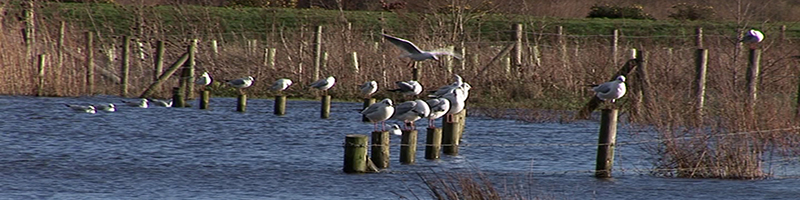
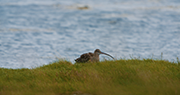
Nationally important populations of breeding waders are present in the Outer Hebrides, including common redshank, dunlin, lapwing and ringed plover. The islands also provide a habitat for other important species such as corncrake, hen harrier, golden eagle and otter. Offshore, basking shark and various species of whale and dolphin can often be seen.
Experience Required:
You do not need to have any previous film production experience to attend a course. (However a basic understanding about the principles of ‘how a lens works’ as well as ‘shutter speeds’ and ‘exposure’ will help you)
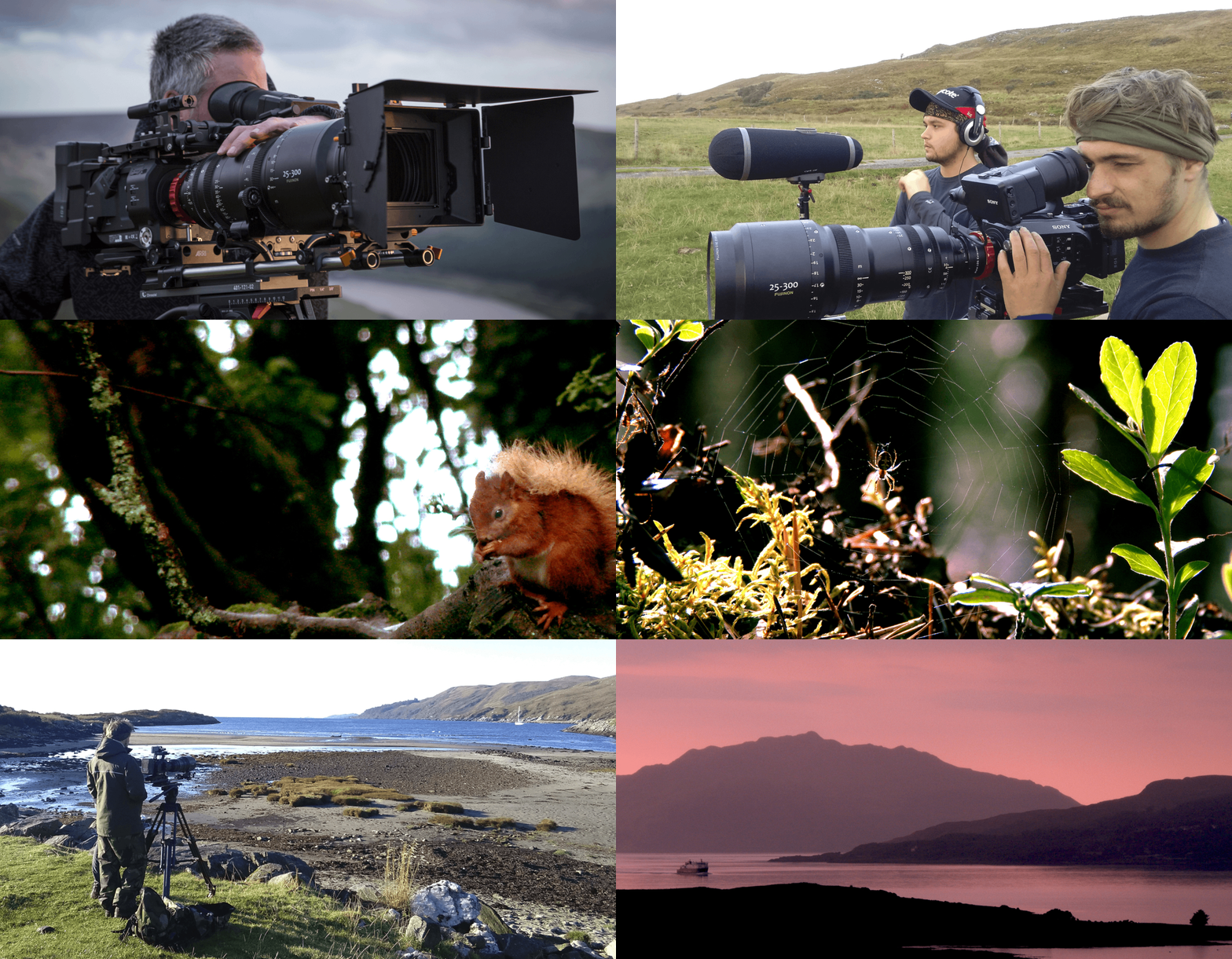
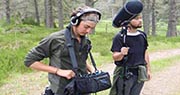
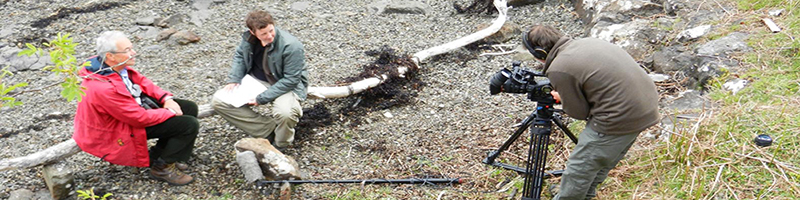
We will take you through the whole process of producing a wildlife documentary film from start to finish including; script ideas, production ethics, script writing, presenter and voiceover-led productions, filming on location, recording audio on location and editing on location; as well as all the necessary logistics and camp-craft requirements to allow you to be able to successfully work in such a remote environment.
We can guarantee that four weeks of filming / working on location will give you an unprecedented amount of time for you to learn and improve both your camera and production skills in some truly fantastic locations. The west coast of Scotland by far is the best location in the UK to both see and film wildlife.
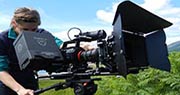
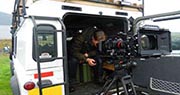
The entire four week long practical section of this course will be operating out of various basecamps situated in different locations throughout Western Scotland. Each course will have a maximum of 4 students working from a vehicle/s. The vehicle/s will have a course instructor and wildlife guide/driver, with the students occupying the rest of the vehicle. This vehicle/s will carry everything logistical we need for our time in Scotland; as well as selection of 4K cameras, lenses, audio recording equipment and other production equipment; plus various grip, tripod and support equipment.
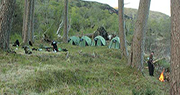
During the whole of your course we will living / working out of a tented basecamp; which will have electrical power via a petrol generator. For your comfort each student will have your own 2-man mountain tent.
As part of your course fees we will supply you with:
• All 4K camera equipment
• All ‘on location’ production equipment
• All ‘on location’ 4K editing equipment
• All basecamp tents and equipment
• All staff and instruction
• All vehicles and transportation overland required during your course
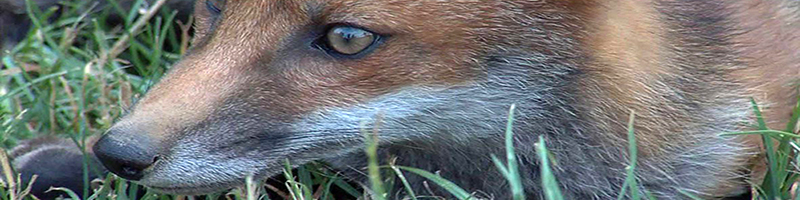
The Natural History of The Outer Hebrides
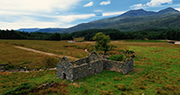
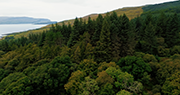
The Outer Hebrides are a long slender claim of islands heading north / south of the north west coast of the Scottish mainland. I recent years most of the group of southern islands and northern islands have been joined together via a single causeway, making getting around much easier.
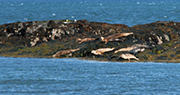
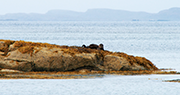
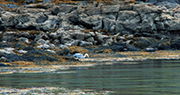
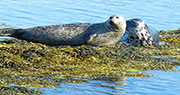
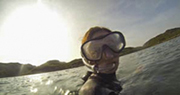
The Outer Hebrides has an abundance of wildlife, especially of grey and common seals and seabirds such as kittiwakes, black guillemots, ravens, and great skuas and many ground nesting birds.
The coastline is well known for its wide open sea vistas.
The century.
There miles.
The course will take you through all the stages of –
Production:
• Initial program / script ideas & brainstorming
• Script writing
• Production ethics
• Presenter lead programming
• Presenters’ scripting
• Animal observation & tracking
• Filming on location
• Filming a Presenter on location
• Sound recording on location
• Video editing on location
• Audio editing on location
• Production of final film / documentary
• All necessary logistics & camp-craft
Field-Craft:
(We will also cover the elements below at various points during the course (Time Permitting))
• Locating / tracking Animals
• Map & compass work
• Navigation overland without a map
• Route planning
• Camp placement & orientation
• Base camp management
• Water management & sanitation
• Emergency procedures & actions
Course Dates:
This course will be running from: Monday 27th April to Friday 22nd May 2026. This will be a practical course and you will need to be on location with us in Scotland for the full duration of the course.
Course Closing Date:
You need to have read, signed and returned your course booking paperwork back to us, and paid for your course, in full, with the equipment damage waiver before 5pm GMT on Monday 2nd March 2026, to be able to attend this course. Your place on the course is not guaranteed until you have done this.
This course is booked on a ´First-come, First-served´ basis, so it is highly recommended that you book early to secure your place. You will not be able to book on this course after this date.
As part of your course fees we will supply you with:
• All 4K camera equipment
• All ‘on location’ production equipment
• All ‘on location’ 4K editing equipment
• All basecamp tents and equipment
• All staff and instruction
• All vehicles and transportation overland required during your course
Number of Students:
To minimise our impact on the ground in reference to the size of our base-camps, there is a maximum of 4 students permitted on each course.
Course Fees:
The cost of your course is £6500 per student.
How to Book:
To apply for the paperwork to book on this course please – Click here
For more information on the Equipment Damage Waiver – Click here
Please Note:
• All of the Wildlife Film School courses are booked on a ‘First-come, First-served’ basis.
• It is highly recommended that you book early to secure your place, especially if you are from outside of the UK
• You are not able to book after the ‘closing date’ of that course.
• Flights to and from the UK are not included in your course fees as our students fly in from many different destinations around the world.